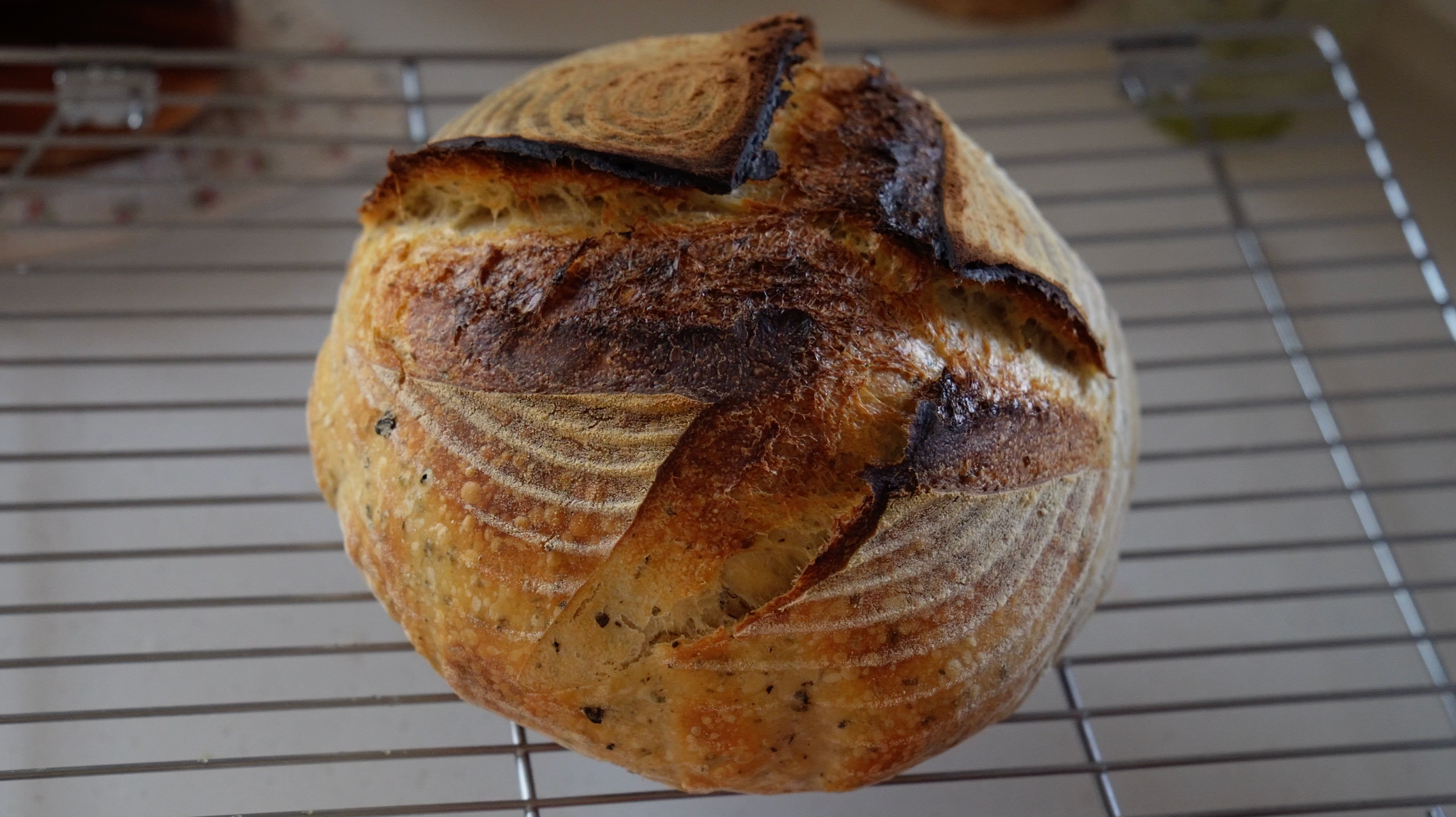
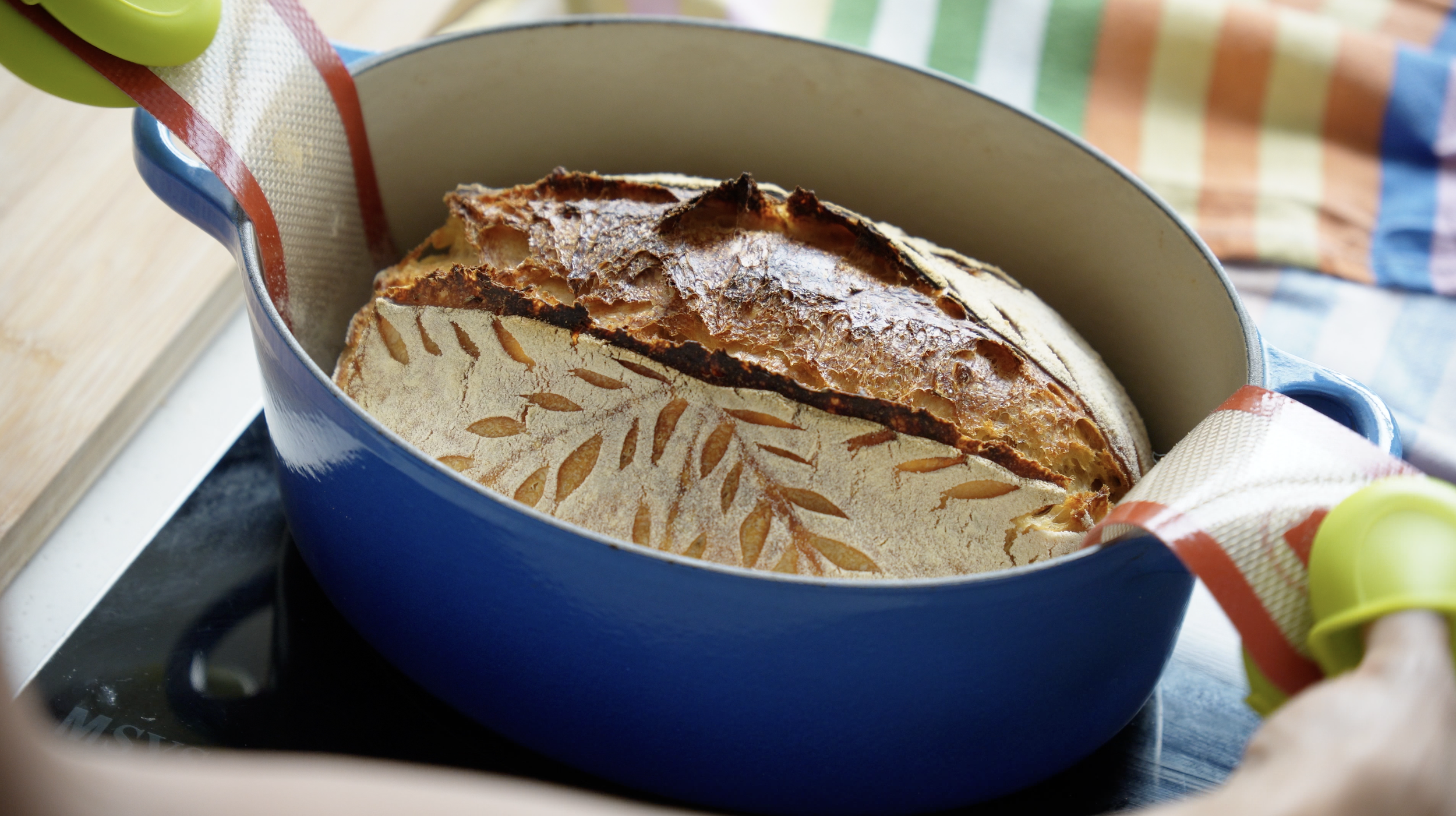
Olive Sourdough Ciabatta
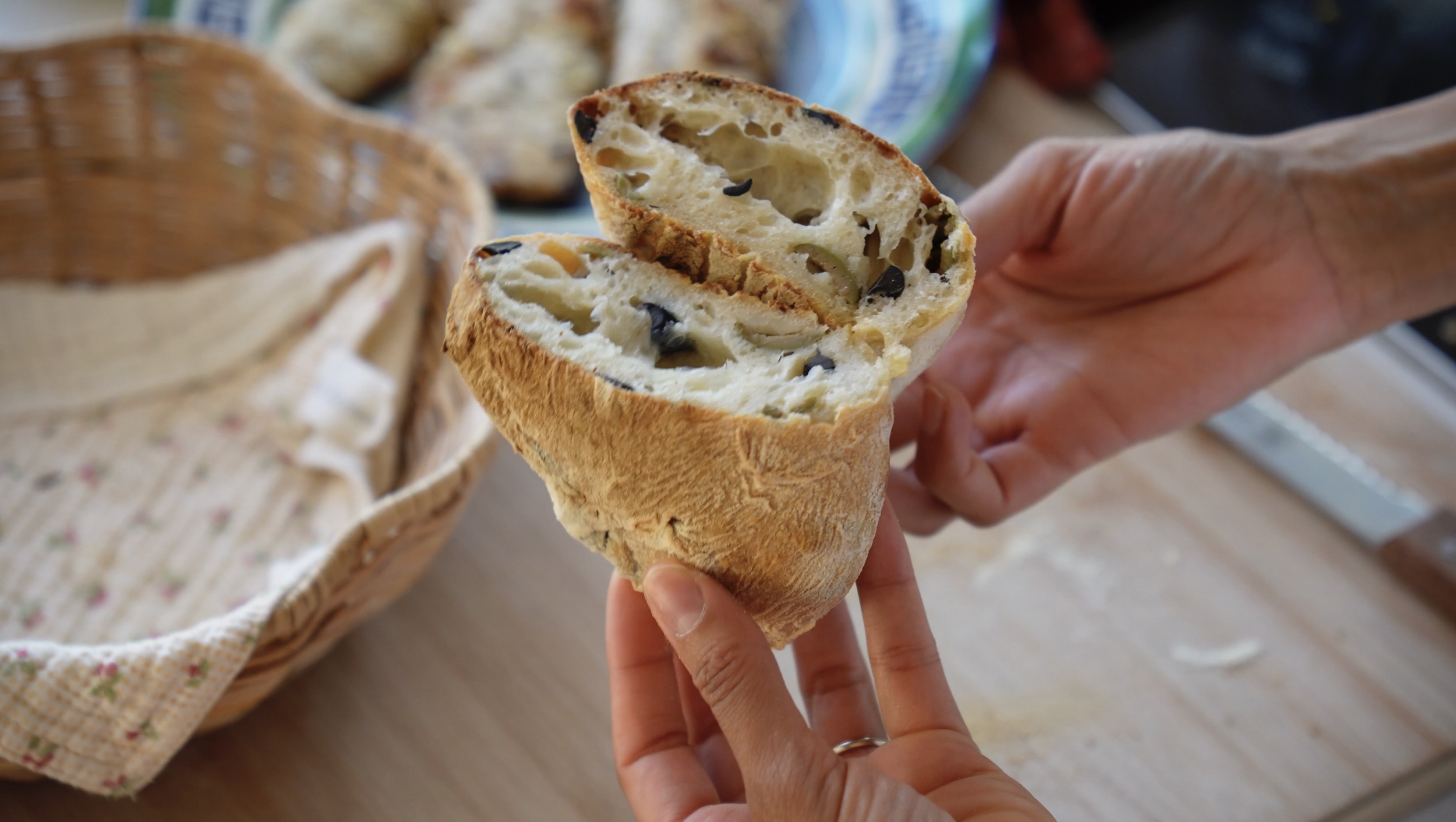
A soft and airy sourdough olive ciabatta recipe with a chewy crust and an open crumb.
As much as I love my usual weekly sourdough loaf,
sometimes I start craving something a little different — something softer, a bit more rustic and imperfect.
Lately the temperatures here in Korea have suddenly become much warmer, which honestly changes everything when it comes to sourdough baking. During winter, fermentation is slower but also much easier to predict. In spring and summer though, the dough sometimes seems to have its own schedule hehe.
This ciabatta was actually one of those spontaneous bakes. I originally had completely different plans for the morning, but after checking my dough and seeing how active it had become overnight, I knew it couldn't wait any longer.
I think that’s one of the things sourdough has taught me over time — to slow down a little and work with the rhythm of things instead of trying to control everything perfectly.
Compared to regular sourdough bread, ciabatta can look a little intimidating at first because of how wet and sticky the dough is. But once you stop fighting the dough and simply trust the process, it becomes surprisingly simple and honestly very relaxing to make.
The olives make this version especially good. Their salty flavor mixed with the airy crumb and crispy crust feels so perfect for spring and summer meals.
We ended up eating it together with a very simple family dinner, and somehow those are always the meals I remember the most ♡
Ingredients
100g active sourdough starter
340g water
400g bread flour
10g salt
1 tbsp olive oil
120–150g olives (I used mixed olives, roughly chopped)
For shaping:
rice flour or semolina flour
Instructions
1. Mix the dough
In a bowl, mix together:
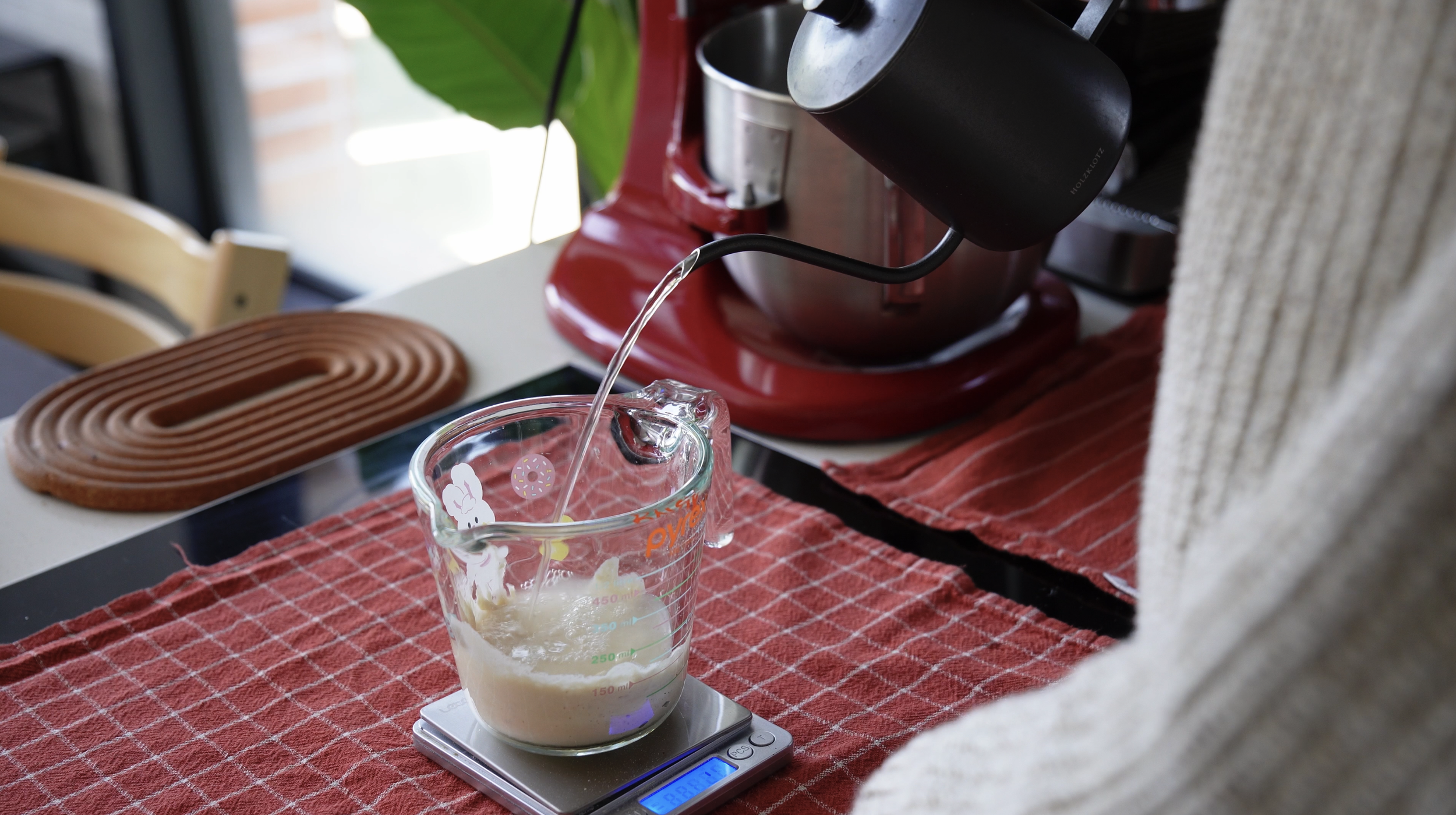
100g active sourdough starter
340g water
In a separate bowl (or stand mixer bowl), add:
400g bread flour
10g salt
1 tbsp olive oil
Pour in the starter/water mixture and mix until everything is fully combined.
I used the dough hook on low speed for a few minutes.
The dough will feel very wet and sticky — that is completely normal.
2. Stretch and folds
Transfer the dough to a lightly oiled or glass bowl and cover.
Perform 3 sets of stretch and folds every 30 minutes.
During the second stretch and fold set, gently add the chopped olives.
The dough will slowly become smoother and stronger after each fold.
3. Bulk fermentation
After the final stretch and fold, let the dough continue bulk fermenting until airy and noticeably puffed up.
The exact timing will depend on your room temperature.
For me during warmer spring temperatures in Korea, the dough was ready fairly quickly.
4. Shape the ciabatta
Generously dust your work surface with rice flour or semolina flour.
Because ciabatta dough is very sticky, using a gluten-free flour here really helps — otherwise the dough will absorb the flour instead of keeping it on the surface.
Gently turn the dough out onto the floured surface and divide into 2 ciabattas.
Try to handle the dough gently to preserve the air bubbles.
Transfer onto baking paper and lightly dust the top with more flour.
Cover and let proof for another hour.
5. Bake
Preheat the oven to 240°C.
Bake for:
15 minutes with steam
(steam oven setting or spray water into the oven)
Then:
briefly open the oven door to release steam
continue baking for another 15 minutes at 240°C
The ciabattas should turn deeply golden with a crisp crust.
Notes
Ciabatta dough is supposed to be sticky — resist the urge to add extra flour.
Rice flour and semolina flour work best for shaping.
The olives can be adjusted depending on your preference.
This bread freezes very well.
Best enjoyed slightly warm with olive oil, butter, soups or simple sandwiches ♡
Share & feedback
If you try this recipe, I’d love to see it ♡
You can share and tag me on Instagram @_aisha_ba_so I can see your bread.
And if you have a moment, feel free to come back here to leave a comment or rating — it really helps others and means a lot to me.

Olive Sourdough Ciabatta Recipe Card
A rustic olive sourdough ciabatta with a crispy crust, airy open crumb and soft chewy texture.
This high hydration dough might look intimidating at first, but once you learn to trust the process, it becomes surprisingly simple and very relaxing to make.
The olives add so much flavor and make this bread perfect for sandwiches, soups, salads or simply enjoyed warm with olive oil ♡
Ingredients
- 100g active sourdough starter
- 340g water
- 400g bread flour
- 10g salt
- 1 tbsp olive oil
- 120–150g olives, roughly chopped
- For shaping: rice flour or semolina flour
Instructions
- In a bowl, mix together the sourdough starter and water.
- In a separate bowl or stand mixer bowl, combine: bread flour, salt, olive oil
- Pour in the starter mixture and mix until everything is fully combined.
- The dough will feel very wet and sticky — that is completely normal.
- Transfer the dough to a lightly oiled or glass bowl and cover.
- Perform 3 sets of stretch and folds every 30 minutes.
- During the second stretch and fold set, gently add the chopped olives.
- After each fold the dough will slowly become smoother and stronger.
- After the final stretch and fold, continue bulk fermentation until the dough becomes airy and noticeably puffed up.
- The exact timing depends on your room temperature.
- Generously flour your work surface using rice flour or semolina flour.
- Gently turn out the dough and divide into 2 ciabattas while trying to preserve the air bubbles inside.
- Transfer onto baking paper, dust lightly with more flour and cover.
- Let proof for another hour.
- Preheat the oven to 240°C.
- Bake for: 15 minutes with steam (steam oven setting or spray water into the oven)
- Then: briefly open the oven door to release steam and continue baking for another 15 minutes at 240°C
- The ciabattas should become deeply golden with a crispy crust.
Notes
- Ciabatta dough is naturally very sticky — resist the urge to add extra flour.
- Rice flour or semolina flour work best for shaping because the dough will not absorb them quickly.
- Fermentation timing will vary depending on room temperature.
- This bread freezes very well.
- Best enjoyed slightly warm with olive oil, butter, soups or simple sandwiches ♡
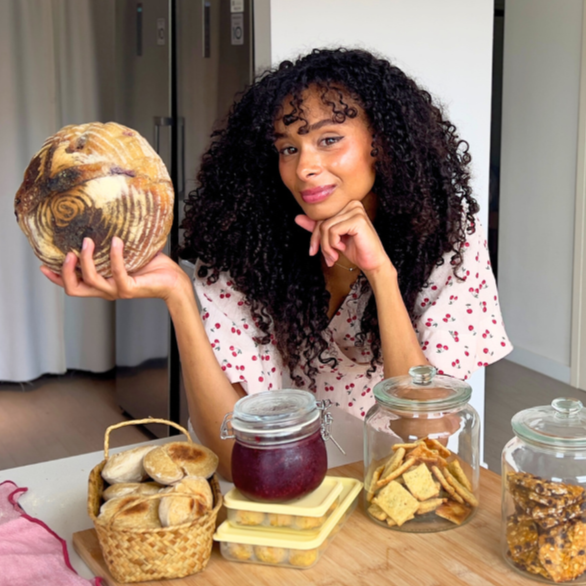
Hi, I’m Aisha
I’m an Italian living in Korea, sharing my everyday life as a homemaker, mother, and creator.
Here you’ll find simple sourdough recipes, slow cooking, and small routines that fit into a real day — not a perfect one.
Baking bread has become one of those quiet moments I always come back to.
Something simple, but grounding.
If you’re here, I hope you feel inspired to slow down a little and enjoy the process.